
History of the Charles & Helen Piffard House
Charles Halsey Haight Piffard was a very important figure in early development of Fellsmere. He was the President of the State Bank of Fellsmere, served on the Fellsmere Board of Trade, the Fellsmere Commercial Club Board, and the Protective Committee following the bankruptcy of the Fellsmere Farms Company. He helped establish the Fellsmere Producer’s Union, and the Fellsmere Preserving and Canning Company, and was instrumental in securing a new engine for the Fellsmere municipal power plant. He was elected Chief Commissioner for the Town of Fellsmere and served in that position until his hasty departure from Fellsmere in 1922.
Charles Piffard (pronounced Piff–ard) was born on February 18, 1874 in New York, New York.1 He became associated with E. Nelson Fell, founder of Fellsmere, during the time that E. Nelson Fell founded the town of Narcoossee, northeast of St. Cloud, Florida, in the 1880s. In 1902, Piffard was only 28 years old when he accompanied Edward Nelson Fell on journey to Kazakhstan, Siberia, Russia to help manage coal mines, copper mines, and a copper smelting works. Both Fell and Piffard were there from 1902 to 1908. In 1909 Fell and Piffard returned to the United States as rich men. Charles Piffard used his fortune to enter into a banking career in New York City.2
On December 31, 1912, Charles Piffard married Helen Louise Brown in Plainfield, New Jersey.3 She was born on November 29, 1883 and died on October 11, 1957.4
While Charles Piffard was in New York City, E. Nelson Fell embarked on developing the Town of Fellsmere after he and his wife, Anne, purchased 118,000 acres (180 square miles in then St. Lucie County and later Indian River County), Florida in March 1910.5
Nelson Fell convinced Charles Piffard to move to Fellsmere and start the State Bank of Fellsmere. The Fellsmere Farms Company may have had a house built for Charles Piffard as part of an enticement for him to move to Fellsmere. Regardless, Charles and Helen came to Fellsmere on April 8, 1913. They stayed temporarily with Mr. and Mrs. F.G. Green at their home on North Orange Street while the Piffard’s permanent home on North Maple Street was being built.6
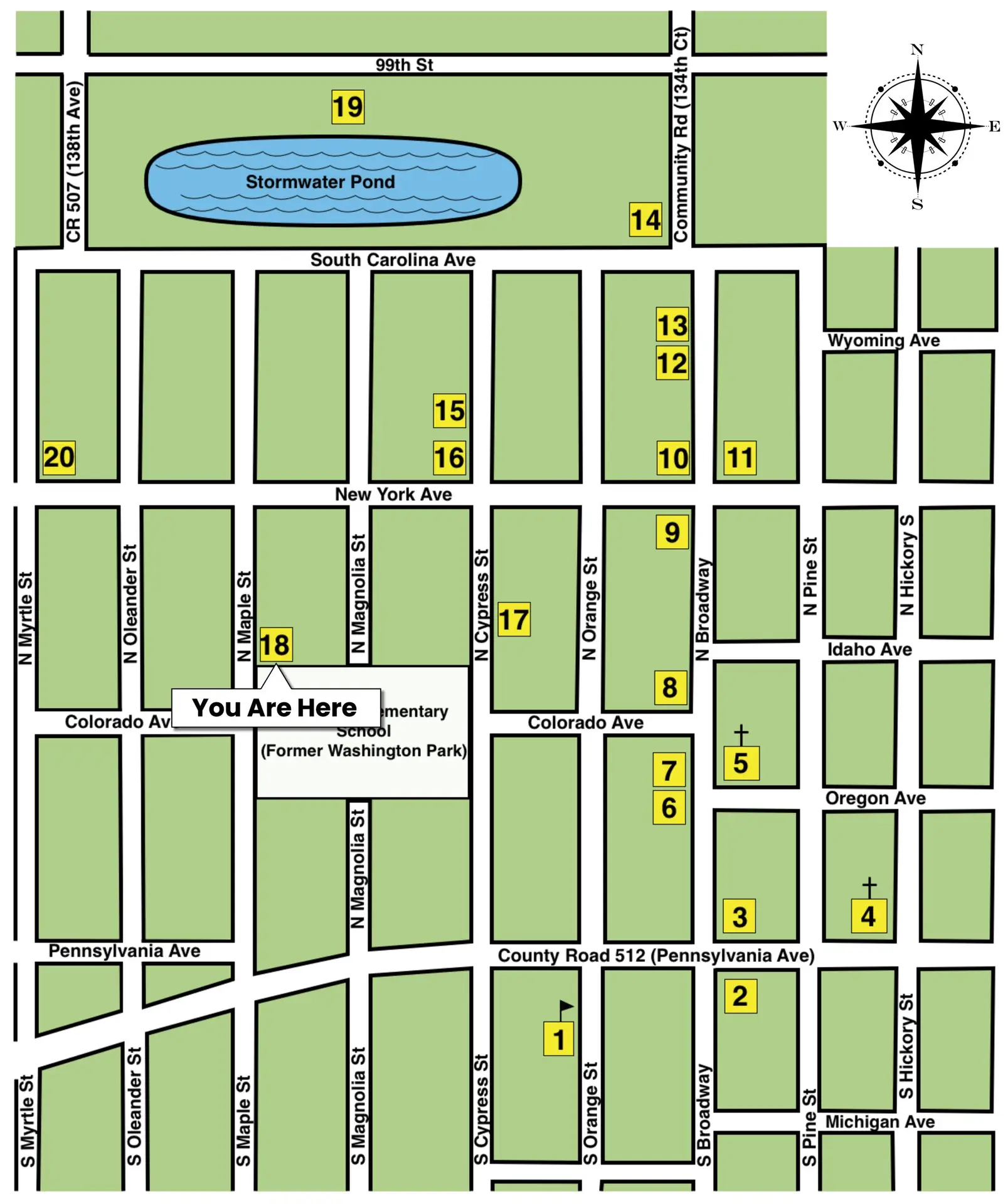
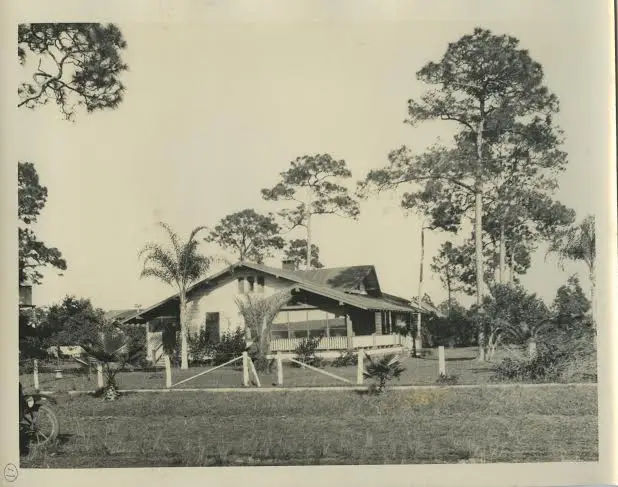
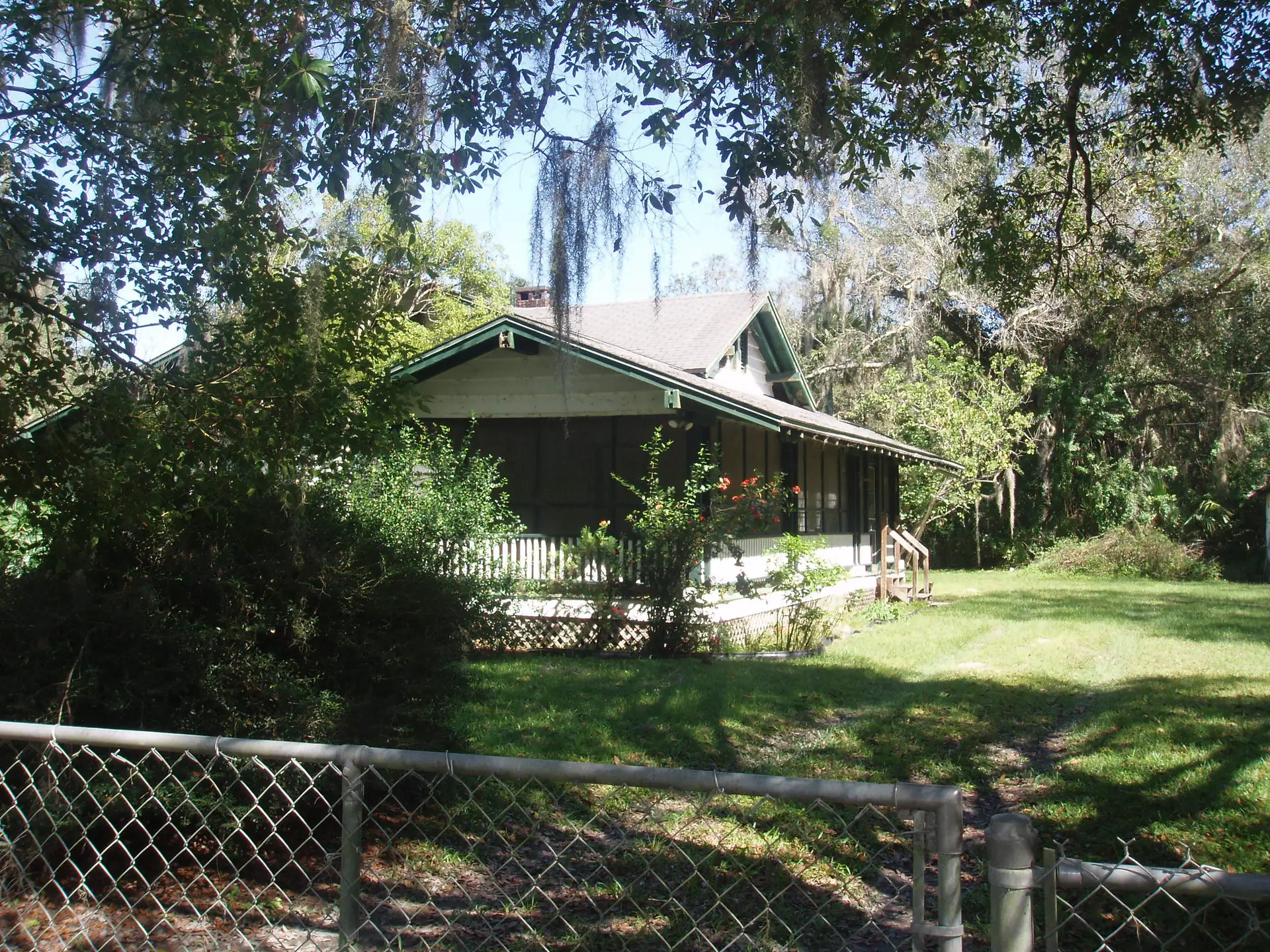
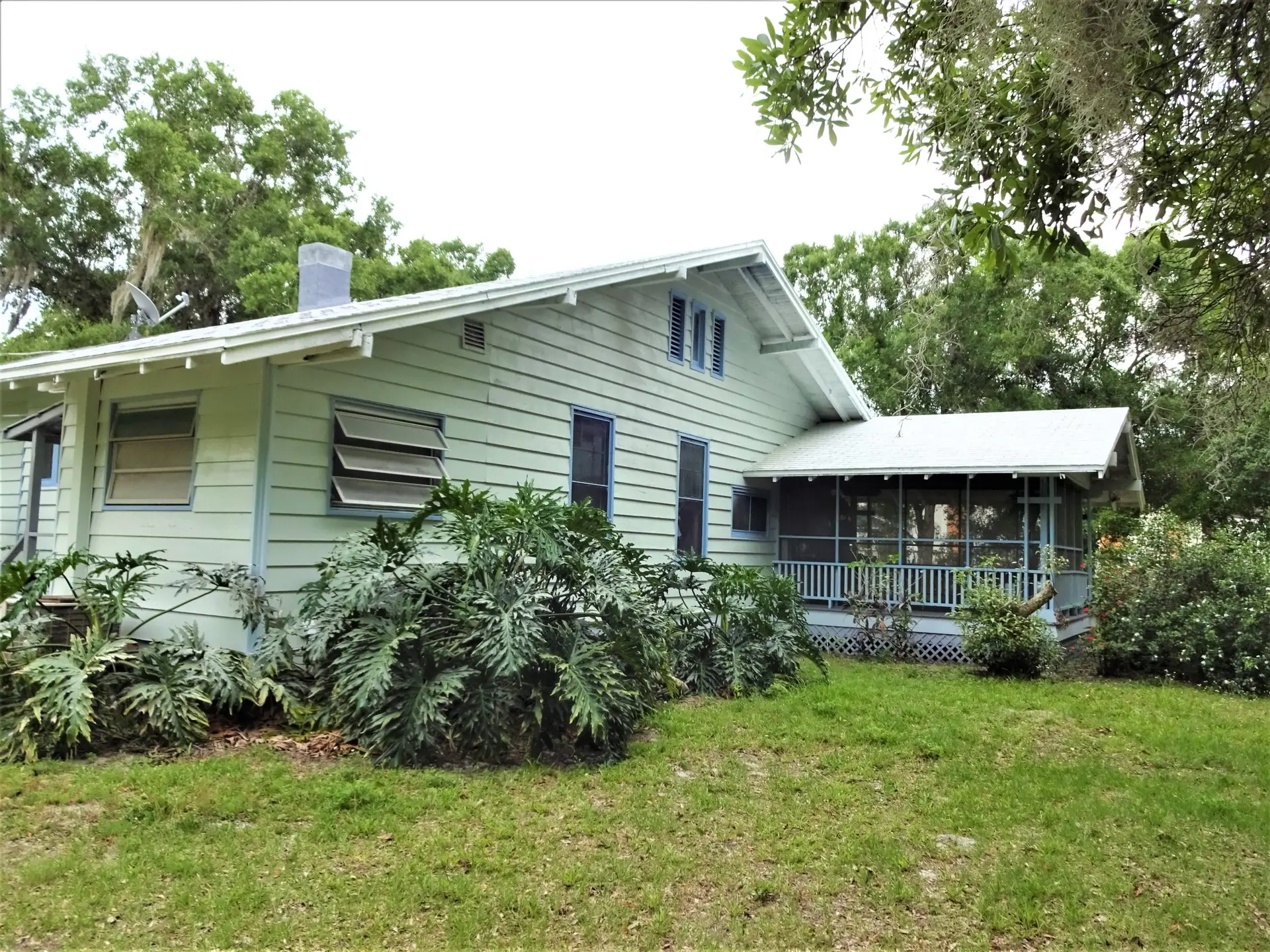
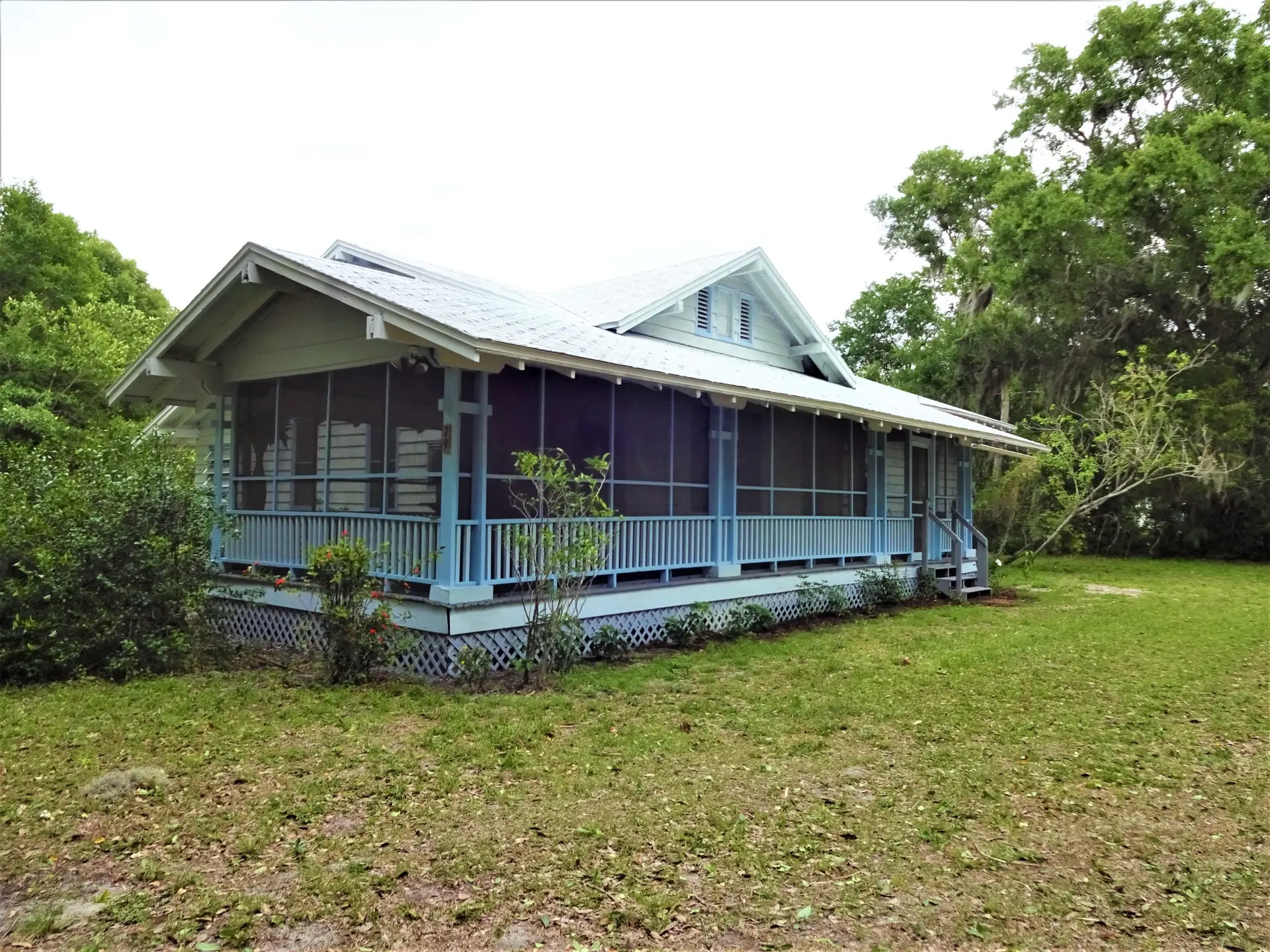
Mr. F. D. DeLoe, who was the general superintendent of the Florida Building and Supply Company of Orlando, supervised the construction of the Craftsman style five (5) room, 1555 square foot house with a 438 square foot front porch at 99 N. Maple St. (now 79 N. Maple Street).7 The front of the house faced south overlooking the northwest corner of the 9.4-acre Washington Park that is now the site of the Fellsmere Elementary School.
On April 3, 1913, the Fellsmere Farmer reported that “Mr. Piffard has the construction of his new bank at Fellsmere well under way and it will soon be ready for occupancy.”8 Mr. Piffard, President of the State Bank of Fellsmere, has arrived here and will personally supervise construction of the bank building. Mr. Piffard has opened up a temporary office in the Auber building on Broadway.” 9
Later in April 1913, Charles and Helen Piffard traveled to Jacksonville for a three day annual meeting of the State Bankers Association of which Charles was a member.10
By May of 1913, one of the first things that Charles Piffard became involved with in Fellsmere was to join the Fellsmere Farmers Fraternity. He headed a committee to negotiate with the electric company to provide street lights on the principal streets in town.11 He did this prior to moving into his new home and before the bank building was completed.
On June 12, 1913, the front page of the Fellsmere Farmer reported that “The Piffard bungalow, on North Washington Park, is progressing rapidly, and when finished will be one of the most comfortable and complete residences in Fellsmere. Mrs. and Mr. Piffard are deeply interested in the construction of their new home. They have seven lots in a group, centrally located, and will improve their grounds in every possible way to make for attractiveness.“12
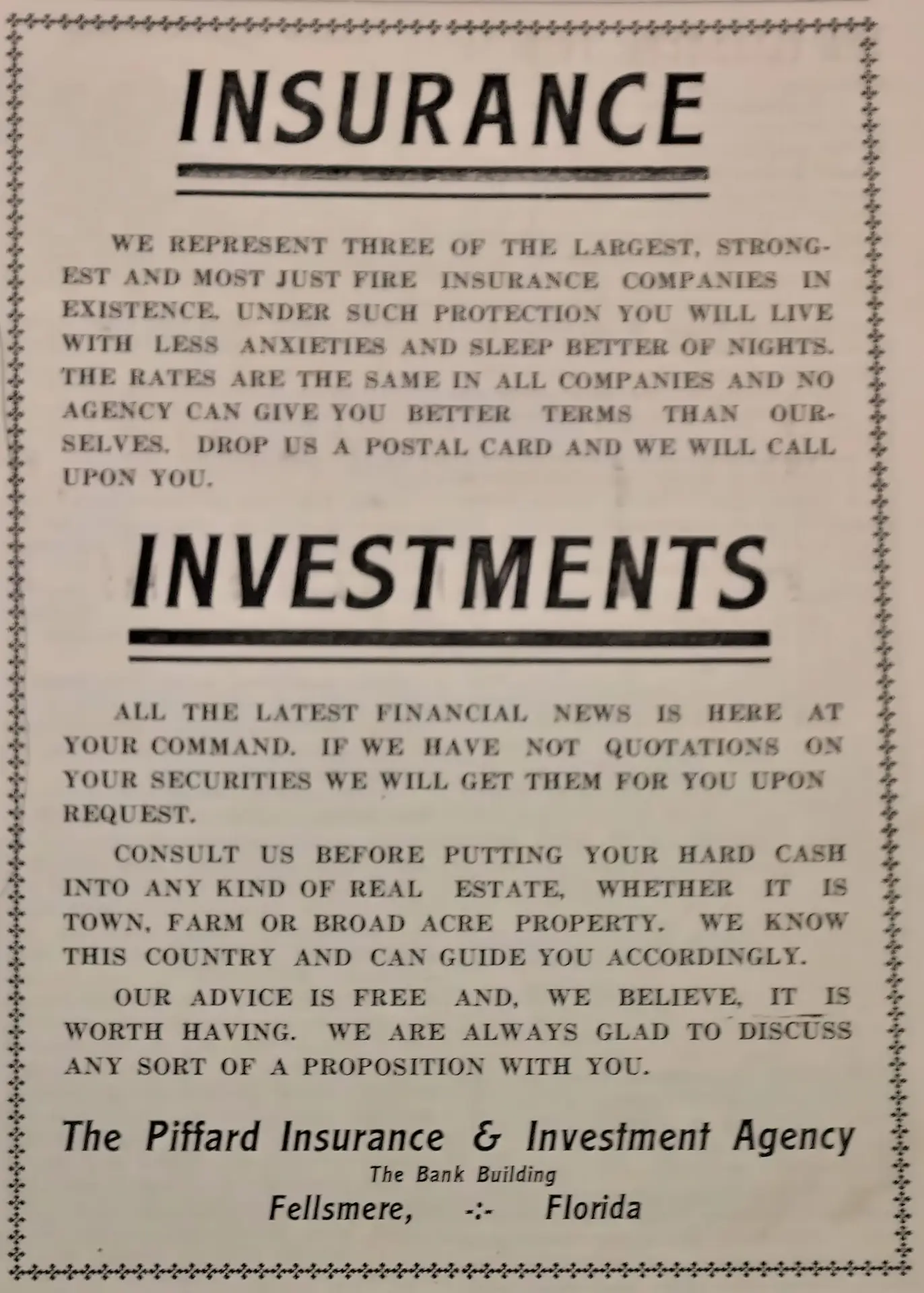
On July 1, 1913, the State Bank of Fellsmere opened at the northwest corner of Broadway and Colorado Avenue intersection.13 The 27 foot by 48 foot bank building built at a cost of $6,000 opened with $25,000 of capital. Its directors consisted of Charles H. Piffard, Richard Conkling, E. Nelson Fell, Fred Kettle, and J.M. Bell. Within 10 weeks of the opening, as of September 18, 1913, there were 133 accounts. Four percent interest was paid on time deposits. The bank offered 10 large and 40 small manganese steel safe deposit boxes. It also had a large vault and safe.14 In addition to being the bank president, Charles Piffard sold real estate; managed properties; and sold fire, accident, and life insurance.15
On July 10, 1913, the Fellsmere Farmer reported that “The commodious bungalow under construction for Mr. and Mrs. Charles H. Piffard is gradually nearing completion. When finished it will one of the most up-to-date residences in town.”16
In mid-August 1913, Charles Piffard was appointed to the executive board of the Fellsmere Board of Trade which held its meetings at the State Bank of Fellsmere.17
The Piffard home was completed by F. D. DeLoe approximately six months after it was started and was ready for occupancy by the end of September 1913.18
The January 10, 1914, edition of the Fellsmere Tribune stated that “Mr. and Mrs. C. H. Morse of Chicago and Orlando spent Saturday and Sunday last with Mr. and Mrs. Charles Piffard. Mr. Morse is of the world-renowned Fairbanks-Morse Company and Mrs. Morse is the mother of C. H. Piffard. Mr. Morse is very much impressed with Fellsmere and predicts a great future.” 19
In 1915, Charles Piffard helped establish the Fellsmere Producer’s Union.20
When new owners of the Fellsmere Electric Light and Ice Plant bought the plant on March 5, 1917, they promptly shut it down for some unknown reason.21 The Fellsmere Commercial Club and Town Commissioners rallied to the cause to buy the plant and keeping it running. Charles Piffard’s mother, Helen H. Piffard, married Mr. Charles H. Morse in 1911. He was the founder and controlling partner of the Fairbanks, Morse & Company.22 Piffard contacted his stepfather and pleaded the case for obtaining a new engine for the Fellsmere Electric Light and Ice Plant to restore electricity to the Town of Fellsmere. On March 21, 1917, Piffard reported to the Commercial Club that the engine would be shipped immediately from Jacksonville by freight and the alternator by express from Indianapolis.23 By Saturday, March 24, 1917, the 25-horsepower diesel engine had arrived and the electric power and light plant was back in operation by March 30, 1917.24 In a little over two weeks’ time, the Fairbanks Morse Company had shipped the engine and alternator to the Town of Fellsmere and the lights were turned back on a week after the equipment arrived. It was very advantageous for Charles Piffard to have a direct connection to the Fairbanks-Morse Company when the City of Fellsmere needed a diesel engine for its electric and ice plant in a hurry.
Charles wife, Helen, was president of the Fellsmere Library Association from 1917-1918.25 She was elected 2nd Vice President of the St. Lucie County Federation of Woman’s Clubs on April 19, 1917, and was appropriated to a committee to look after the proposition of establishing a canning system that would conserve waste in vegetables and fruit.26
Charles Piffard, Chairman of the Civics Committee of the Fellsmere Commercial Club was appointed by the Club as Chairman of The Protective Committee on March 14, 1917. The function of the Protective Committee was to protect the interest and rights of deed and contract holders of the defunct Fellsmere Farms Company that went into receivership during foreclosure proceedings in the Circuit Court.27 Less than a year later, Piffard was elected as the president of the Fellsmere Commercial Club on February 6, 1918.28 Two years later in 1920, Charles Piffard helped establish the Fellsmere Preserving and Canning Company probably as a result of Helen’s work with St. Lucie County Federation of Woman’s Clubs on establishing a canning system for fruits and vegetables.29
Charles Piffard held the position of bank president from 1913-1922. He and his wife, Helen, lived in the house on Maple Street until March 1922. While living in Fellsmere, Helen and Charles had three children. David was born on March 20, 1914, in Orlando, Florida; Charles Hight was born on February 6, 1916 in Fellsmere; and Guerard was born on March 22, 1919.30
Until 1925 when the upper portion of St. Lucie County became Indian River County, the Town of Fellsmere was governed by three commissioners – a Chief, a Vice, and a Secretary Commissioner.31 Charles Piffard was the Chief Commissioner of the Town of Fellsmere from February 11, 191932 until his disappearance in March 1922 when an attaché from the Florida Office of the Comptroller discovered a shortage of $30,000 missing from the bank’s coffers.33 The State Bank of Fellsmere was closed in 1922. It later served as Fellsmere City Hall from 1945 to 1982, and then as a volunteer ambulance squad dormitory. In 2001, it was renovated and became the present Fellsmere Community Center.
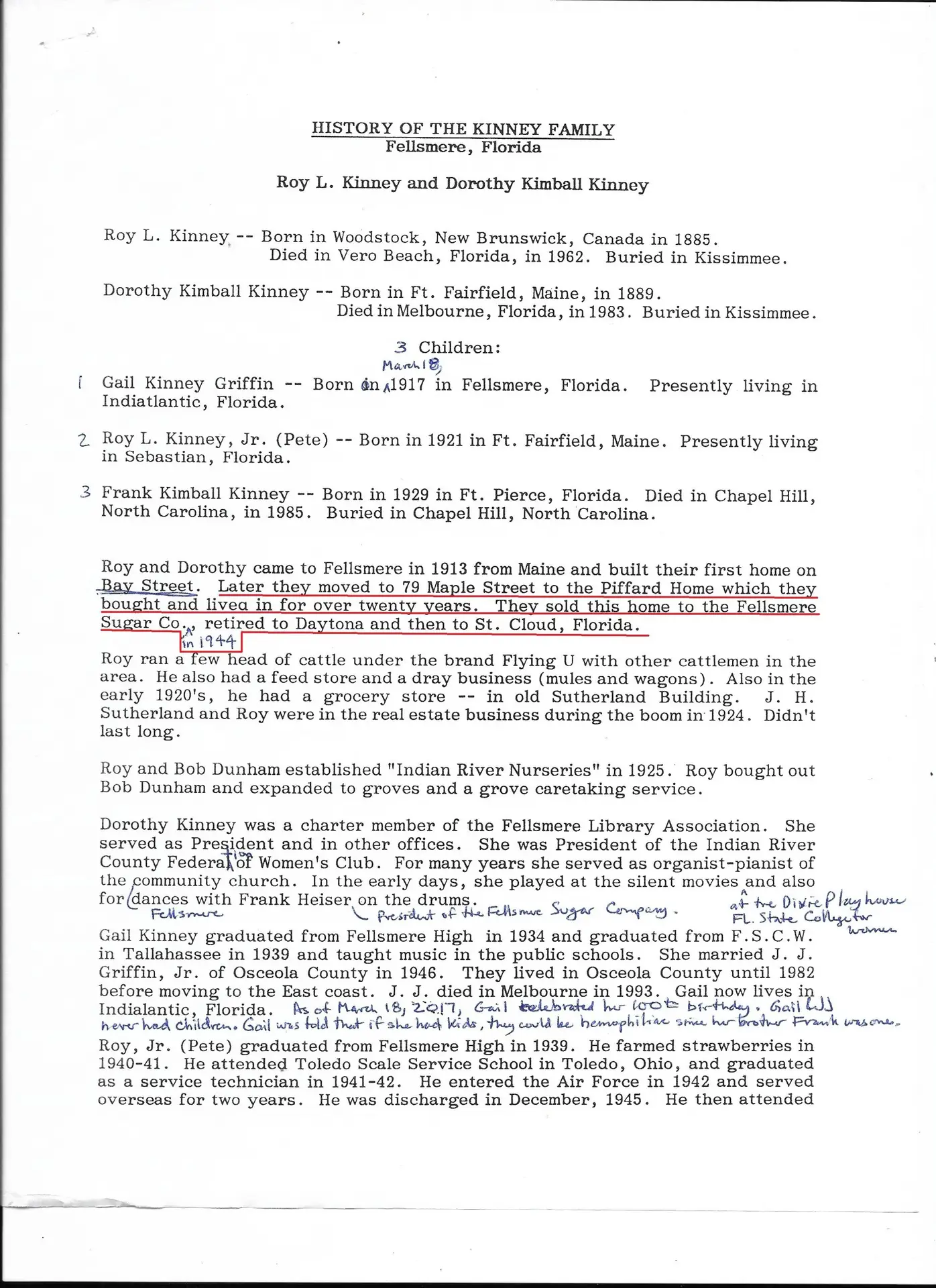
According to Gail Kinney Griffin, in 1922 when she was only 5 years old, Charles Piffard was ordered by the citizens of Fellsmere to leave town within three days following the discovery of the missing money at the bank. Helen Piffard, who was friends with Gail Griffin’s mother, came to Gail’s parents, the Kinney’s, and told them they could move into the Piffard house on Maple Street immediately because the Piffards had to leave town.34
Gail Kinney’s father, Roy, briefly served as the Chief Commissioner of the Town of Fellsmere to fill the vacancy after Charles Piffard’s departure, since Piffard was the Chief Commissioner at the time. After Indian River County was established in 1925, the State of Florida annulled the commissioner form of government in Fellsmere to a mayor-city council form of government. Gail’s father, Roy, was appointed by Florida Governor John W. Martin as one of the first Fellsmere City Councilmen.35
Gail Kinney’s mother, Dorothy, served as president of the Fellsmere Library Association from 1973-1939; secretary from December 2, 1940 to December 17, 1941; and second vice president from January 3, 1942 to October 7, 1942; when Association meetings were suspended due to World War II.36 She was also a very talented pianist.
On April 27, 1922, the Vero Press reported that “Mr. and Mrs. C.H. Piffard and family have recently moved to Daytona, Florida, to make their home.”37 Apparently, the State of Florida was in hot pursuit of Charles Piffard knowing that he allegedly absconded with $30,000 from the bank. The Vero Press newspaper report probably resulted in Charles Piffard and family leaving the country because it was learned that he died in Paris, France, three years later on November 24, 1925 at the age of 51.38
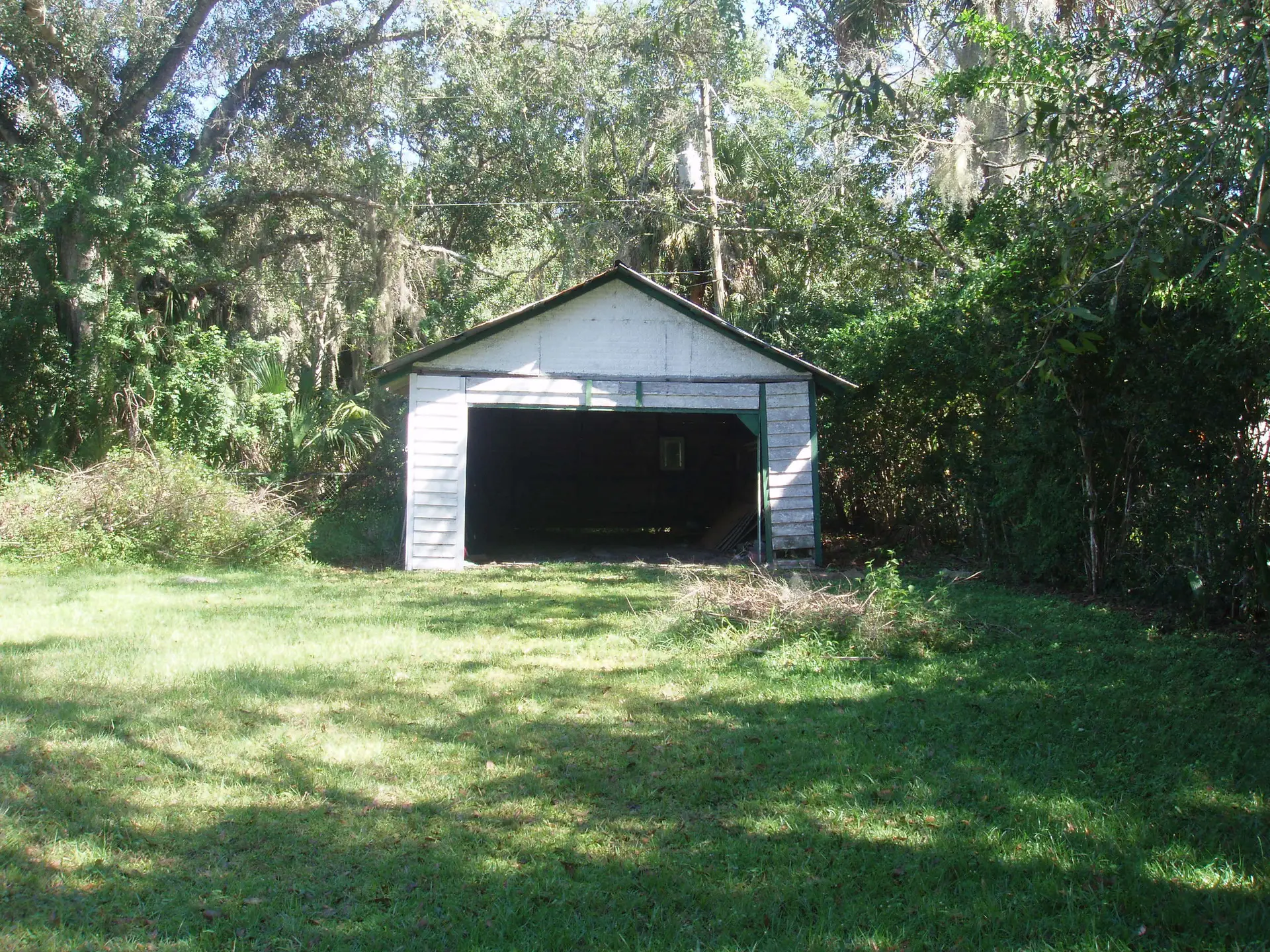
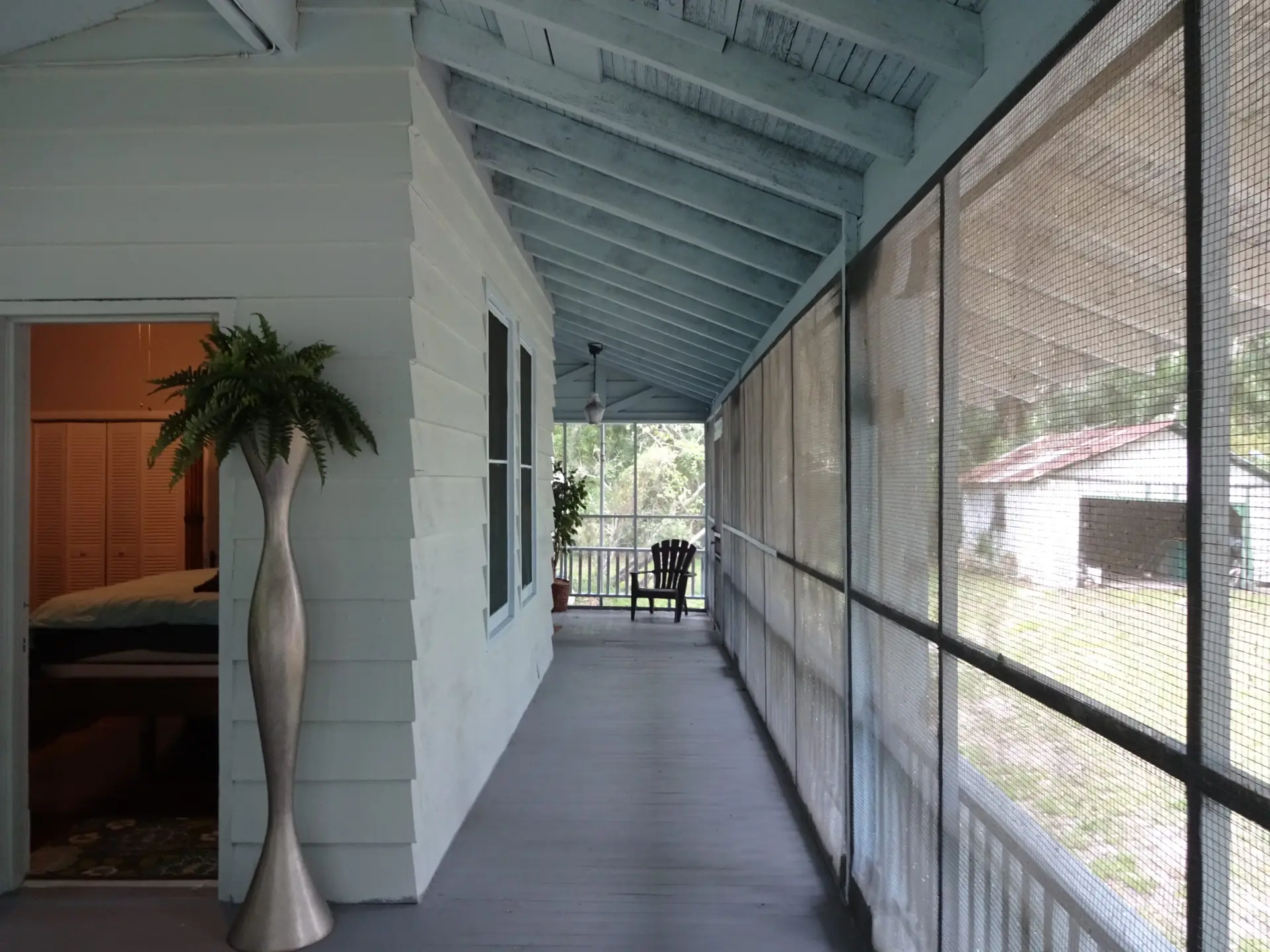
Gail Kinney said she had fond recollections of living there. The house was very nice. It had two bedrooms (the master bedroom was 30 feet long), a living room and dining room with a fireplace in between, no mechanical heat, and a screen porch on the west and a long open porch that faced south, which is where the entrance to the house was located. There was also a three-room guest cottage in addition to the main house, and a double car garage. Most intriguing, however, was the glass pane in the double wide front door; it had a bullet hole in it.39
The house had more closet space than most houses had at that time. A single bedroom had a closet that was big enough for two people. In the big bedroom, there were two closets, and a bathroom off both bedrooms.
There was no hot water at first but the house had pipes for hot water. Gail’s mother heated soft water in the tea kettle every night and brought in some soft water from the tank to wash the dishes. The artesian water that Fellsmere ran in its city system at that time was drinkable but it smelled of hydrogen sulfide (rotten eggs). Gail said that the City water wasn’t useable to wash your hair – it made the hair stiff and the water tarnished everything, so you couldn’t wash the silverware.
The kitchen was quite primitive, but it had everything. From the kitchen to the attic was a staircase with regular sized steps but had no railing. The staircase led to a big attic which had a finished floor in part of it. When the Kinneys had guests, Gail said that her parents had her give up her bedroom and sleep up in the attic where there was a comfortable bed. The attic also contained a trunk full of the old clothes left behind by Mrs. Piffard after the Piffards sudden departure from Fellsmere. Gail and her friends played dress-up with the clothes for several years. There were a pair of lavender and black satin slippers, and a pair of satin slippers that didn’t match. Gail and her friends divided them up when they played. There was a trunk full of her clothes. A month after Mrs. Piffard moved out of the house, she returned, and took what she could of the furniture, but she left the good chairs for the Kinneys.
Gail said that her parents gave her little brother a dog named Jerry. This dog was a purebred wire-haired fox terrier. If anyone was up in the attic or the attic door was open, Jerry would climb the steps and get up in the attic. One night after the Kinneys had their evening meal, they were sitting in the living room and heard a noise from up above. The door to the attic staircase was locked and they couldn’t imagine how anyone got in. Gail’s father, Roy, went up and opened the door, and stood back with a club while the rest of the family peeked around the corner. Then slowly he opened the door and Jerry walked out of the attic staircase.
Gail said that sometime after the Kinneys moved, the back porch was enclosed and made into a room. She attended Florida State College for Women in Tallahassee, graduating in 1939 with a degree in music. Gail returned to Fellsmere and taught piano lessons at the Kinney homestead.40 On September 18, 1945, the Kinneys sold the house to Blas and Blanca Herrero, with all the furniture, furnishings, and fixtures and then moved from Fellsmere to Daytona Beach.41 Thirteen months later, on October 18, 1946, the Herreros sold the house to the Fellsmere Development Corporation.42
After the Fellsmere Development Corporation bought the house, Doctor Jones rented it (Dennis Tyson, son of Dollie Tyson, and no relation to Joel Tyson, Mayor of Fellsmere). In 1955, Dollie and her husband, Joe C. Tyson, from Swainsboro, Georgia moved into the house.43 Joe C. Tyson went to work as a fabricator at Piper Aircraft in Vero Beach and stayed at Piper for 17 years.44 Dollie Tyson filled Joan Tyson’s place (Joan was not related to Dollie) on September 4, 1956, at the start of the 1956-1957 school year in Fellsmere as secretary to Principal Daniel Frisbie.45 Joe C. and Dollie Tyson bought the Piffard house on November 15, 1956.46
On October 14, 1966, the Fellsmere City Council appointed Dollie Tyson to the position of Fellsmere City Clerk.47 She served for approximately 4 years, 5 months until March 12, 1971.48 Dollie maintained a good friendship with Principal Daniel Frisbie but, unfortunately, he died of a heart attack in her living room during a visit in 1971.49 Joe Tyson died on October 24, 1995, at age 77.50 Dollie died on September 28, 2016 at the age of 88.51
Following the death of Dollie Tyson, the home has been sold to numerous individuals who have maintained the home as a private residence. As of 2024, the latest owners were Michele and David Wilkinson, who bought the property on September 15, 2020.52